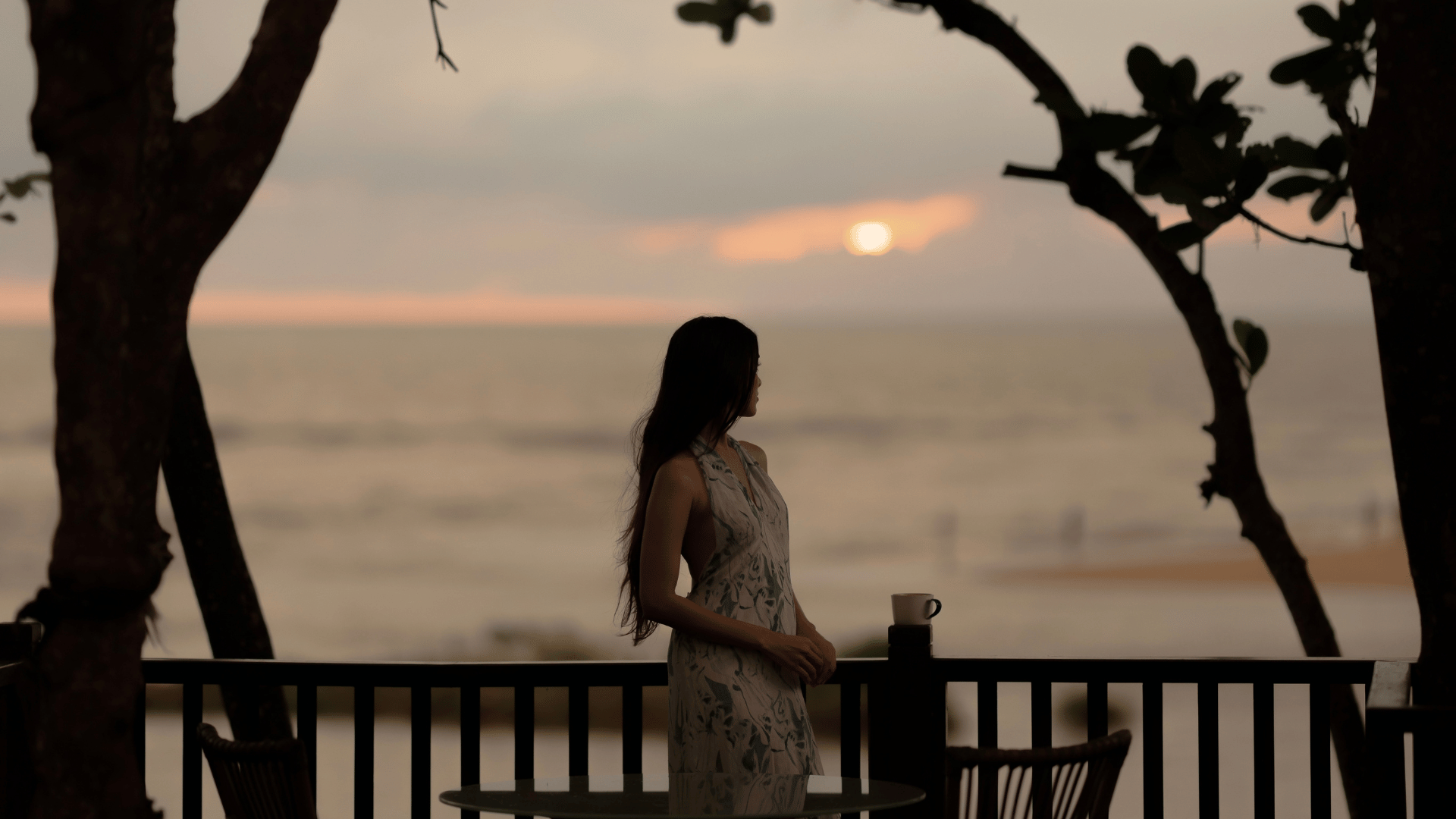
One of the quickest ways to understand a hotel is to read its menu. Not because every meal should be adventurous, but because food reveals whether a hotel has made the effort to understand the place in which it stands. Across the world, hotel menus can be remarkably similar. The same breakfast, the same selection of international favourites, often even the same presentation. Familiarity has its place, and guests should always have the comfort of choosing what they enjoy. But when a hotel in Ladakh serves essentially the same food as one on the Karnataka coast, something important has been missed.
At The Postcard Hotel, authentic regional cuisine is central to the guest experience. The starting point is not what can be replicated across the collection. It is what makes each destination distinctive: its produce, its methods of cooking and the people who have kept those traditions alive. With just nine rooms at The Postcard on the Arabian Sea and 15 at The Postcard Gir Wildlife Sanctuary, each kitchen cooks for a handful of tables, and can cook the food of the place it stands in.
ON THE KARNATAKA COAST, THE FOOD HAS A HISTORY
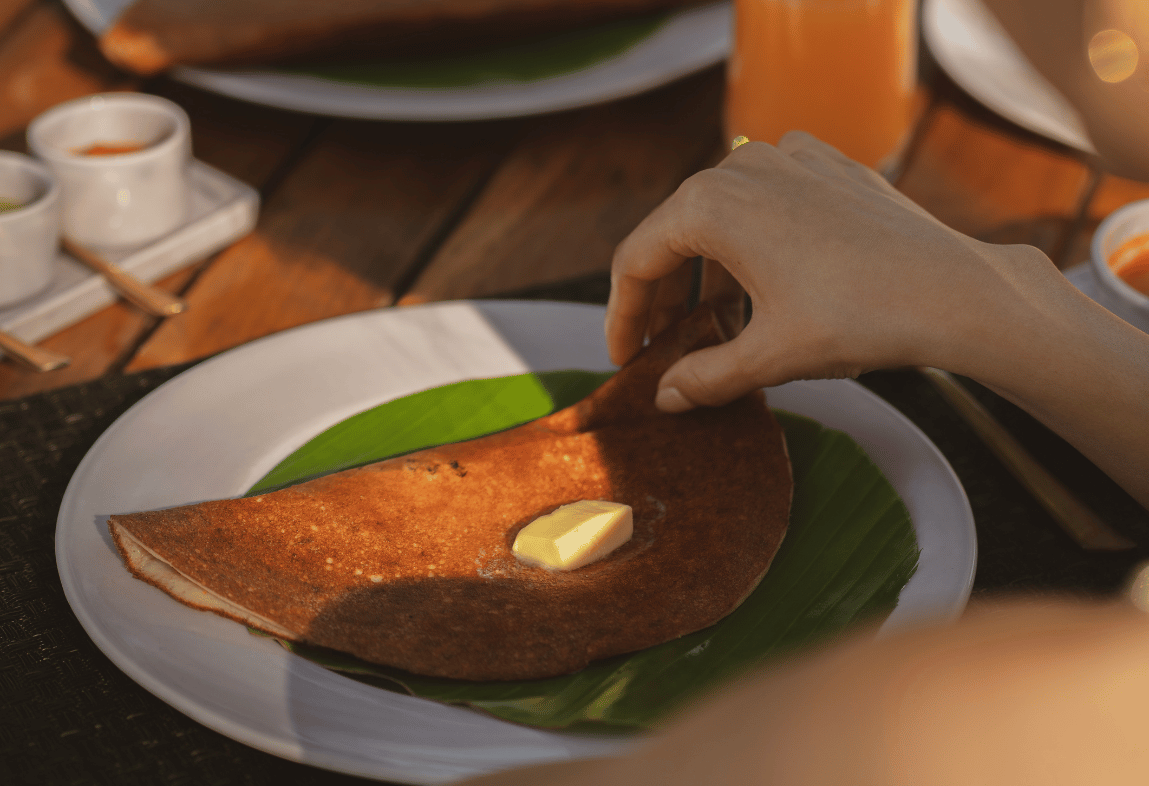
At The Postcard on the Arabian Sea, in Maravanthe, the menu takes its cues from the coastal communities of the region. Their food cannot be described simply as "South Indian". Bunt, Goud Saraswat, Catholic and Konkani Muslim kitchens each have their own traditions, combinations of spice and approaches to meat, seafood and vegetables.
The ghee roast is one example. Rather than asking a chef to create a polished hotel version, the team learnt from local home cooks who knew how the dish should taste. The balance of roasted chillies, spice and ghee matters; so does the patience with which it is prepared. The menu also draws on dishes such as Kundapur chicken curry, shaiyya prawn biryani and Mangalorean mutton stew. These are not included as exotic alternatives to the "regular" menu. They are the food of the region and deserve to be presented with the same confidence as any international classic. When guests enjoy a dish that has been learnt and prepared with care, they take away more than a pleasant dinner. They leave with a connection to a place they may have known very little about before arriving.
IN LADAKH, FOOD RESPONDS TO THE MOUNTAINS
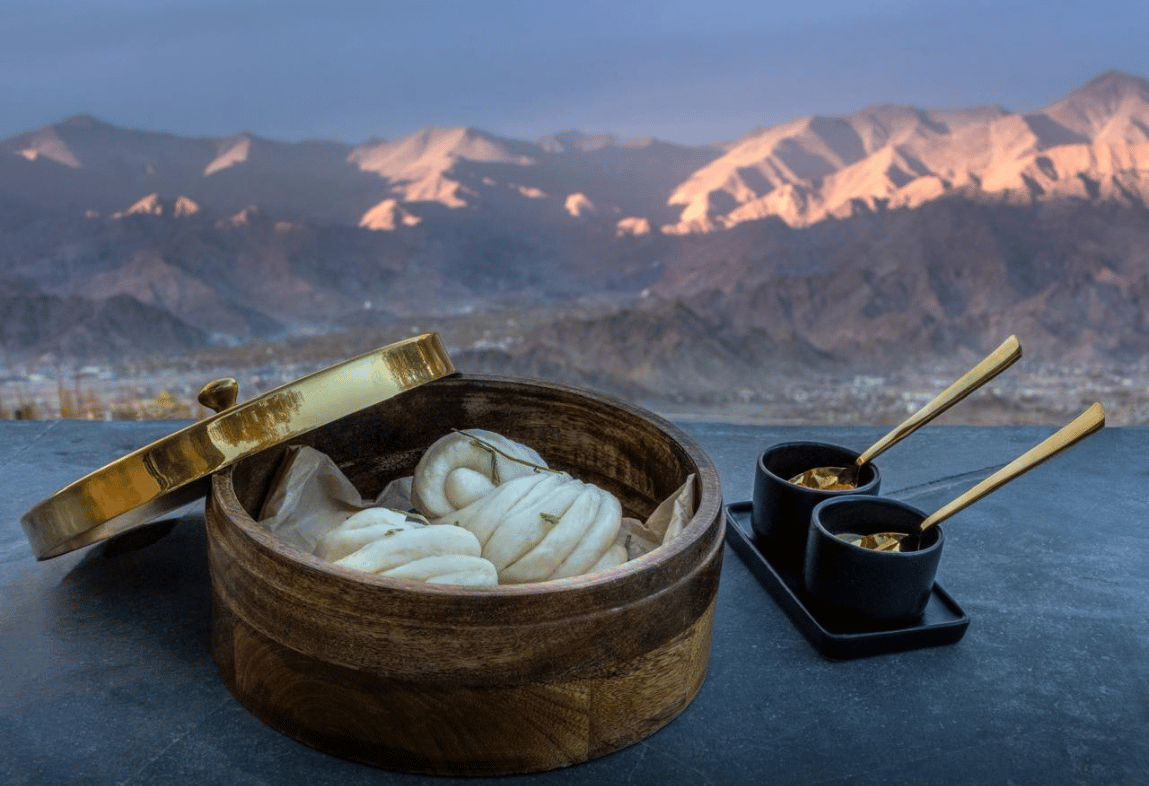
Travel to The Postcard in the Himalayan Willows, in Stok, and the culinary conversation changes completely. Here, altitude, weather and the agricultural season have shaped what people cook over generations. A bowl of thukpa makes sense after a cold day outdoors. So does skyu, made with small pieces of wheat dough cooked slowly with vegetables, which the Jammu & Kashmir Tourism Development Corporation describes as a traditional dish of Leh and Ladakh.
Or chhutagi, another comforting local preparation. These dishes are rooted in the practical needs of mountain life. Their appeal lies in their warmth and simplicity, rather than in a chef trying to reinvent them. Produce that can be grown locally, in a landscape with such a short growing season, is valued all the more. It gives the menu a sense of seasonality that cannot be imposed from a central office.
IN GIR, THE TABLE BELONGS TO GUJARAT
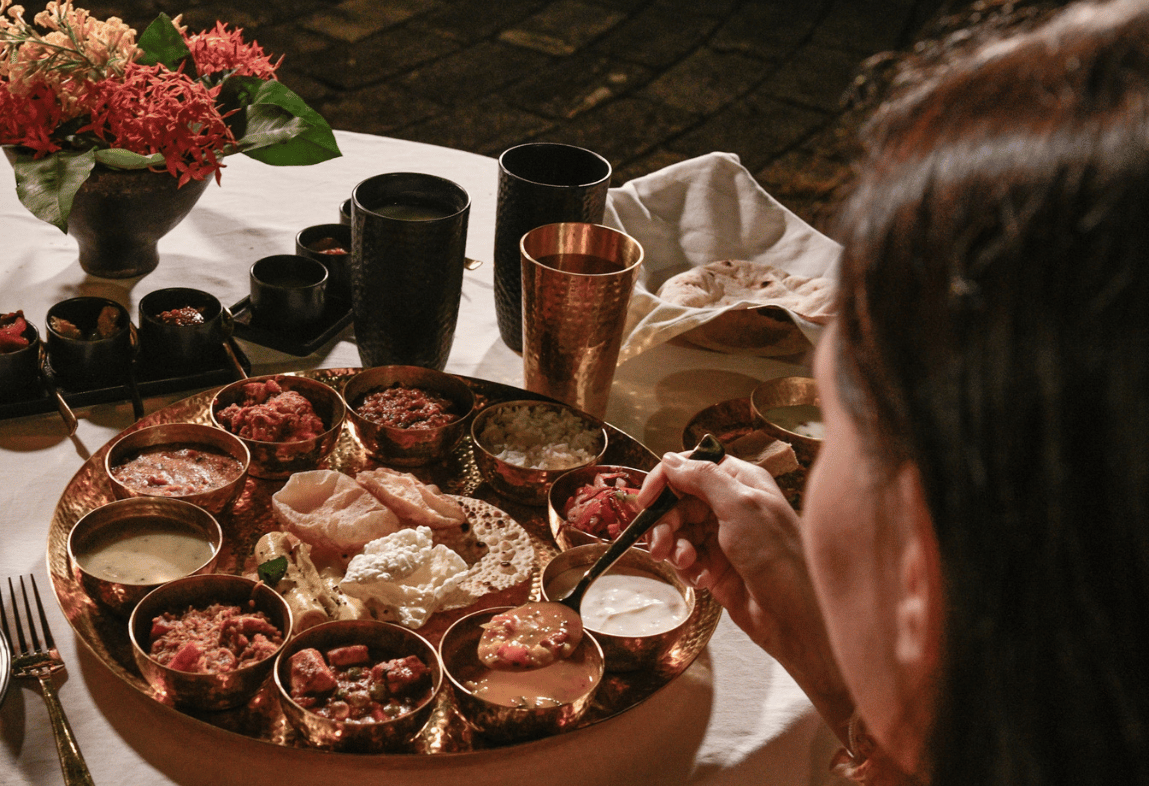
At The Postcard Gir Wildlife Sanctuary, a day may begin with the anticipation of seeing an Asiatic lion. But the destination has an equally interesting food story, and it deserves attention beyond the safari. Gujarati preparations take pride of place, alongside influences such as Parsi cooking. A Gujarati thali introduces guests to several flavours in one meal; salli boti brings a different culinary tradition to the table. Seafood from the Veraval coast, including pomfret when available, adds another dimension to what people might expect from a wildlife destination in Gujarat. The hotel's organic garden also connects the kitchen with its surroundings. The result is a menu that feels particular to Gir, rather than one that could have been transported unchanged from a city hotel.
RESPECT THE LOCAL KITCHEN, WITHOUT LIMITING THE GUEST
There is a responsibility that comes with presenting regional food. Authenticity cannot be reduced to adding a few local dishes to an otherwise generic menu, or dressing up a traditional recipe until it loses its identity. The chefs at The Postcard Hotel spend time learning from local cooks, understanding ingredients and respecting techniques before a dish reaches the menu. They can then cook it consistently, and explain it to a guest who may be tasting it for the first time.
That does not mean every guest is expected to eat regionally at every meal. A well-made omelette, a pasta or a familiar comfort dish always has its place. The luxury lies in having a choice, and in knowing that the regional option has been taken seriously.
FREQUENTLY ASKED QUESTIONS
WHAT DOES AUTHENTIC REGIONAL CUISINE MEAN AT A HOTEL?
It means the menu is built around the food of the place: local produce, traditional methods and dishes learnt from the people who have always cooked them. At The Postcard Hotel, regional dishes are presented with the same care and confidence as any international classic, rather than added as a token local option.
IS THE MENU AT THE POSTCARD HOTEL EXCLUSIVELY REGIONAL?
No. Local specialities are an important part of every menu, alongside familiar Indian and international dishes.
WHAT IS GHEE ROAST?
Ghee roast is a dish from the Mangalore and Udupi coast of Karnataka: meat or seafood cooked in a fiery red masala of roasted chillies and spices, then finished slowly in ghee. At The Postcard on the Arabian Sea, the recipe was learnt from local home cooks.
WHAT FOOD IS LADAKH KNOWN FOR?
Warming, simple food suited to altitude and cold weather. Thukpa, a noodle soup; skyu, small pieces of wheat dough cooked with vegetables; and chhutagi, another hand-shaped dough dish, are all on the table at The Postcard in the Himalayan Willows.
WHAT IS SALLI BOTI?
Salli boti is a Parsi dish of tender mutton in a gently sweet and tangy gravy, topped with salli, crisp fried potato straws. It sits alongside Gujarati cooking at The Postcard Gir Wildlife Sanctuary.
CAN GUESTS ASK ABOUT THE RECIPES OR TRY SOMETHING PARTICULAR?
Absolutely. The teams are happy to explain the food and explore special requests wherever ingredients and kitchen arrangements allow.
WHICH HOTEL IN THE POSTCARD HOTEL COLLECTION IS BEST FOR REGIONAL CUISINE?
Each offers something different. Consider coastal flavours at The Postcard on the Arabian Sea in Maravanthe, mountain food at The Postcard in the Himalayan Willows in Ladakh, or Gujarati and Parsi influences at The Postcard Gir Wildlife Sanctuary. The destination should guide your appetite.
A great hotel meal should leave a guest curious about the place outside the dining room. That is what makes regional cuisine more than a menu choice; it becomes part of the journey.
Eat at The Postcard on the Arabian Sea, The Postcard in the Himalayan Willows, The Postcard Gir Wildlife Sanctuary or explore The Postcard Hotel.