A traveller finds a photograph of a hotel with a mountain ridge filling the window, books the room, arrives and spends three days eating the same menu available in any city. The view was real. The stay was not shaped by the place. Choosing a destination hotel means looking past the photograph and asking what the hotel changes about the days spent there. The Postcard Hotel, a collection of intimate luxury hotels across India and beyond, is built on the idea that the place itself should determine the food, the rooms, the rhythm and the things a guest notices.
Choose a destination hotel by what it changes about the days, not by its view. Look for regional food on the menu, rooms that respond to climate and landscape, an intimate scale, a day shaped by the place, and staff who can explain where the guest is. A view alone is only scenery.
TL;DR - Summary
- What is a destination hotel? - A destination hotel takes its design, food and daily rhythm from the specific place it occupies. It changes what a guest eats, sees and does, rather than offering a standard luxury experience with a view attached.
- How to spot one before booking: - Check whether the hotel describes itself through its place or its amenities. Look for regional dishes named on the menu, rooms that open onto the landscape, and an intimate room count that keeps the hotel connected to its surroundings.
- What to ask at booking: - Ask what a typical day looks like, what is in season during the stay, and what the hotel suggests for the first day. The answers reveal whether the place shapes the experience or the hotel runs on a fixed schedule.
- How to tell on arrival: - Staff who can talk about the region, a first meal that tastes of the place, and a day that feels shaped by the surroundings rather than by a timetable are the clearest signs of a genuine destination hotel.
- Why The Postcard Hotel fits: - Each hotel in The Postcard Hotel draws its design, food and hosting from its destination, with intimate room counts, regional kitchens and experiences that start from the surroundings.
A scenic room is not a destination hotel
A scenic hotel puts a guest in front of a view. The room may be comfortable, the service polished, the pool well placed. But the day follows a pattern that could belong to any location. Breakfast is international. Activities are generic. The landscape stays outside the window.
A destination hotel works differently. The menu names dishes from the region. The rooms respond to the local climate. The staff can explain the history of the valley or the fishing traditions of the coast. The day is shaped by what is happening in the place, not by a fixed hotel schedule.
Consider two mornings. At a scenic hotel, a guest wakes to a mountain view, eats eggs Benedict by the pool and books a spa treatment. At a destination hotel, a guest wakes to the same mountains, eats a dish cooked with ingredients from the valley, walks to a monastery the staff described over dinner and returns for lunch that changes with the season. The view is the same. The day is not.
What to look for before booking
The hotel's own description is the first test. A destination hotel talks about its place before it talks about its amenities. It names the region, the landscape, the food traditions. A scenic hotel leads with thread count, pool temperature and spa brands.
Room count matters. An intimate hotel with fewer than twenty rooms can stay connected to its surroundings. A large property often needs to standardise, which pulls the experience away from the place and toward a formula.
Look at the menu. If the hotel names regional dishes, that signals a kitchen rooted in the destination. If the menu lists only international standards, the food could come from anywhere. Regional cuisine is one of the clearest markers of a destination hotel.
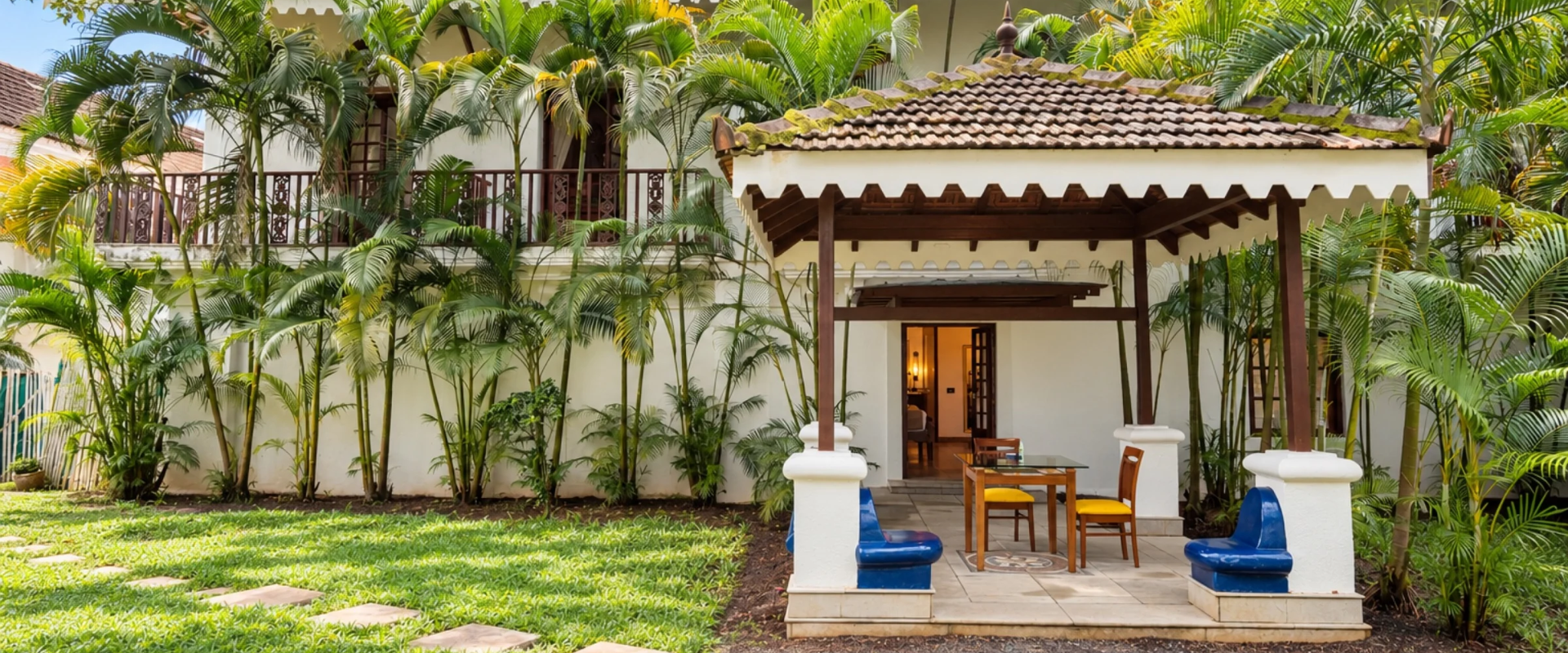
Check whether rooms open onto the landscape. Floor to ceiling windows, private patios, sun parlours and outdoor seating that face the natural surroundings suggest the hotel was designed around its setting. Rooms that face inward, toward a courtyard or a pool, suggest the setting is secondary.
Finally, look at the experiences. A destination hotel builds its offerings from the surroundings: walks through tea gardens, temple visits, river picnics, seasonal foraging. A scenic hotel offers the same spa menu and cooking class regardless of where it sits.
Questions to ask at booking
Four questions separate a destination hotel from a scenic one at the point of booking. Each tests whether the place shapes the stay or the hotel runs on autopilot.
First, ask what a typical day looks like. A destination hotel will describe a day that changes with the season and the setting. A scenic hotel will describe a fixed schedule of meals, treatments and checkout times.
Second, ask what is in season during the planned stay. A hotel connected to its place will know what is growing, what is being harvested, what festivals or traditions are happening nearby. A scenic hotel may not have an answer.
Third, ask how flexible meals and check in are. Across The Postcard Hotel, anytime check in and check out is available, subject to availability, confirmed at booking and at no additional charge. Anytime breakfast has no cut off. Flexibility like this lets the place set the pace, not the hotel's timetable.
Fourth, ask what the hotel suggests for the first day. A destination hotel will recommend something specific to the place: a walk, a local market, a dish to try. A scenic hotel will suggest the pool or the spa.
How to tell on arrival
Three things become clear within the first few hours. The first is whether the staff can talk about the region. At a destination hotel, the team knows the local history, the food traditions, the best time of day to see the light on the ridge. They do not recite a script about amenities.
The second is whether the first meal tastes of the place. Regional ingredients, local cooking methods and dishes that belong to the destination are signs that the kitchen is shaped by where it is, not by a corporate menu.
The third is whether the day feels shaped by the place or by the hotel's schedule. A destination hotel lets the surroundings set the rhythm. The guest walks because the landscape invites it, eats because the kitchen follows the season, rests because the afternoon heat or the mountain light suggests it.
How The Postcard Hotel meets these tests
Each hotel in The Postcard Hotel can be checked against the markers above. Here is one verifiable fact per property, drawn from the hotel's own description.
The Postcard in the Himalayan Willows, Leh, has floor to ceiling windows onto the Stok Ridge, a sun parlour in each room and traditional Ladakhi bukharis. The rooms respond directly to the high altitude climate and the landscape outside.
The Postcard Dewa, Thimphu, has 13 rooms and two suites in the Khasadrapchu valley by the Wang Chhu river. Guests can hike to nearby temples and take riverside picnic baskets, experiences that start from the specific setting.
The Postcard in the Durrung Tea Estate, Tezpur, has twelve rooms on 1,400 acres of working tea plantation. The kitchen serves Assamese dishes such as fish tanga and bamboo shoot curry, food that belongs to this region and no other.
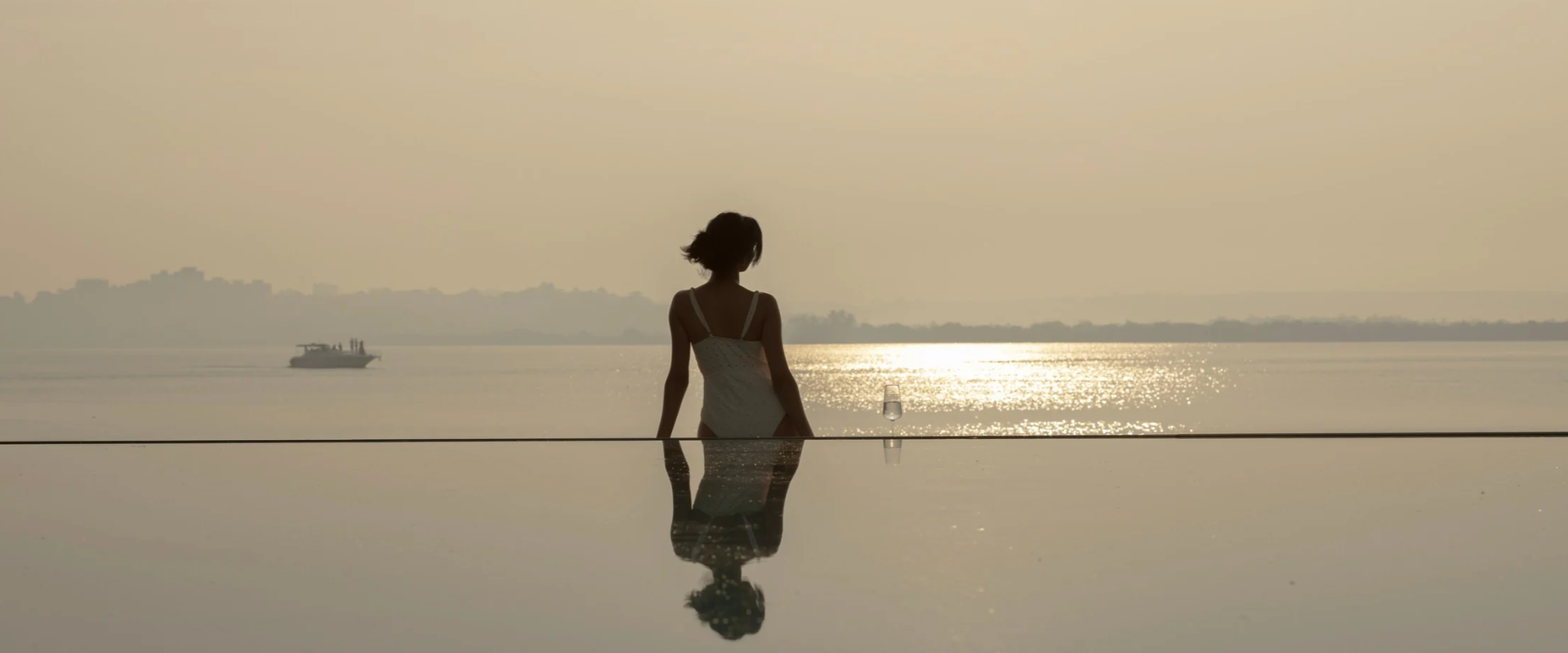
The Postcard on the Arabian Sea has nine rooms, all facing the ocean, on the secluded coast of Maravanthe Beach in Karnataka. The kitchen draws on Bunt, Goud Saraswat, Catholic and Konkani Muslim cooking traditions of the coast.
Making the most of a destination hotel
A destination hotel rewards a different kind of staying. Leave days unplanned. The best moments often come from following a suggestion the staff made at breakfast or walking a path the landscape reveals.
Eat the regional food. The kitchen exists to connect the guest to the place. Ordering familiar dishes from home misses the point of a destination stay.
Stay at least three nights. The first day is arrival. The second day is settling. The third day is when the place begins to shape the guest's rhythm rather than the other way around.
Ask the team what is happening locally. A harvest, a festival, a change in the weather, a particular bird arriving for the season. These details turn a stay into something that could only have happened in that place, at that time.
A destination hotel is not defined by its view. It is defined by what changes when a guest walks through the door. The food, the rooms, the rhythm of the day, the knowledge of the staff: these are the things that make a stay belong to a place. Stay at The Postcard in the Himalayan Willows, The Postcard Dewa, The Postcard in the Durrung Tea Estate or The Postcard on the Arabian Sea, explore The Postcard Hotel, or book your escape.