Romantic travel in India is often sold through the same images. Rose petals scattered on a bed. A candlelit table arranged on the sand. A grand lobby with a photographer waiting. These gestures photograph well, and they have their place. But they rarely reflect what couples say they actually wanted from a holiday together: quiet, privacy, and time that belonged only to them. The Postcard Hotel, a collection of intimate luxury hotels across India and beyond, holds the view that romance on holiday comes not from set pieces but from attention, freedom, and a setting that does the work on its own.
Private, intimate stays suit couples better than grand romance because what couples most want on holiday is quiet, privacy, and unhurried time together. A hotel with few rooms, flexible service, and a strong natural setting gives that every day, without staged gestures or crowds. The Postcard Hotel's view is that when the scale is intimate and the place is right, romance is simply what happens.
TL;DR - Summary
- What do couples actually want on holiday? - Privacy, unhurried time together, and the freedom to do nothing or everything on their own terms. Grand gestures are less important than quiet, personal space and a pace that belongs to the couple.
- Why does intimate scale matter? - Hotels with fewer rooms are naturally quieter, less scheduled, and more private. Service can follow the couple's rhythm rather than a fixed timetable, and shared spaces rarely feel crowded.
- How does setting create romance? - A strong natural setting, whether ocean, tea country, river valley, or mountain ridge, provides atmosphere without staging. The Postcard Hotel places each property in a landscape that shapes the stay.
- How should couples choose? - Count the rooms, look for private outdoor space, ask about flexible meals and check in, choose a setting both people want, and mention any occasion quietly in advance rather than asking for a show.
GRAND ROMANCE OFFERS SPECTACLE, NOT ALWAYS SPACE
Grand romantic gestures in hospitality tend to follow a pattern. A decorated room. A set dinner at a fixed hour. A photographer to capture the moment. These are designed to be visible, shareable, and memorable in a particular way. For many couples, they deliver exactly that.
Where this format falls short is not in quality but in structure. The dinner is at a set time. The decoration is arranged before arrival, not around the couple's mood. The resort may have dozens or hundreds of other guests, which means the pool, the restaurant, and the beach are shared spaces. Privacy is something to request, not something built into the stay.
The Postcard Hotel's view is that spectacle works best in photographs. What it does not always provide is the feeling of being alone together, which is what many couples describe as the thing they most valued after a holiday.
COUPLES VALUE PRIVACY, TIME, AND FREEDOM MORE THAN STAGING
When couples travel together, the most common wish is simple: uninterrupted time. Not a schedule of activities, not a curated itinerary, but the freedom to wake without an alarm, eat when hungry, and spend an afternoon doing nothing at all.
Privacy matters because it removes performance. There is no need to dress for a lobby, share a breakfast hall with fifty strangers, or time a walk around other guests. Freedom matters because it lets each person in the couple have space too. One reads while the other walks. One sleeps late while the other watches the light change. These are ordinary things, but they require a setting that allows them.
The Postcard Hotel's view is that romance is not a product to deliver. It is a condition that emerges when two people have enough quiet, enough comfort, and enough time. The hotel's role is to provide those three things and then step back.
INTIMATE SCALE MAKES QUIET AND FLEXIBILITY NATURAL
A hotel with fewer than twenty rooms does not need to enforce schedules the way a large resort does. There is no buffet rush, no pool queue, no lobby crowd. Quiet is the default, not a special arrangement.
Service at this scale can follow the couple's hours rather than the hotel's. Breakfast can happen when the couple is ready, not when the kitchen opens. Across The Postcard Hotel, anytime breakfast has no cut off, so a late morning never means a missed meal. Anytime check in and check out is available, subject to availability, confirmed at booking and at no additional charge, which means the couple's travel schedule sets the rhythm of the stay, not the other way around.
Fewer guests also means the staff know who is staying. Preferences are remembered without being recorded on a clipboard. A couple celebrating something can be acknowledged with warmth rather than with a production. This kind of attention is possible because the ratio of staff to guests allows it.
SETTING CREATES ROMANCE WITHOUT STAGING IT
The Postcard Hotel places each property in a landscape that shapes the experience. Romance comes from the place itself, not from decoration layered on top of it. A few examples show how this works in practice.
The Postcard on the Arabian Sea, Maravanthe, Karnataka.
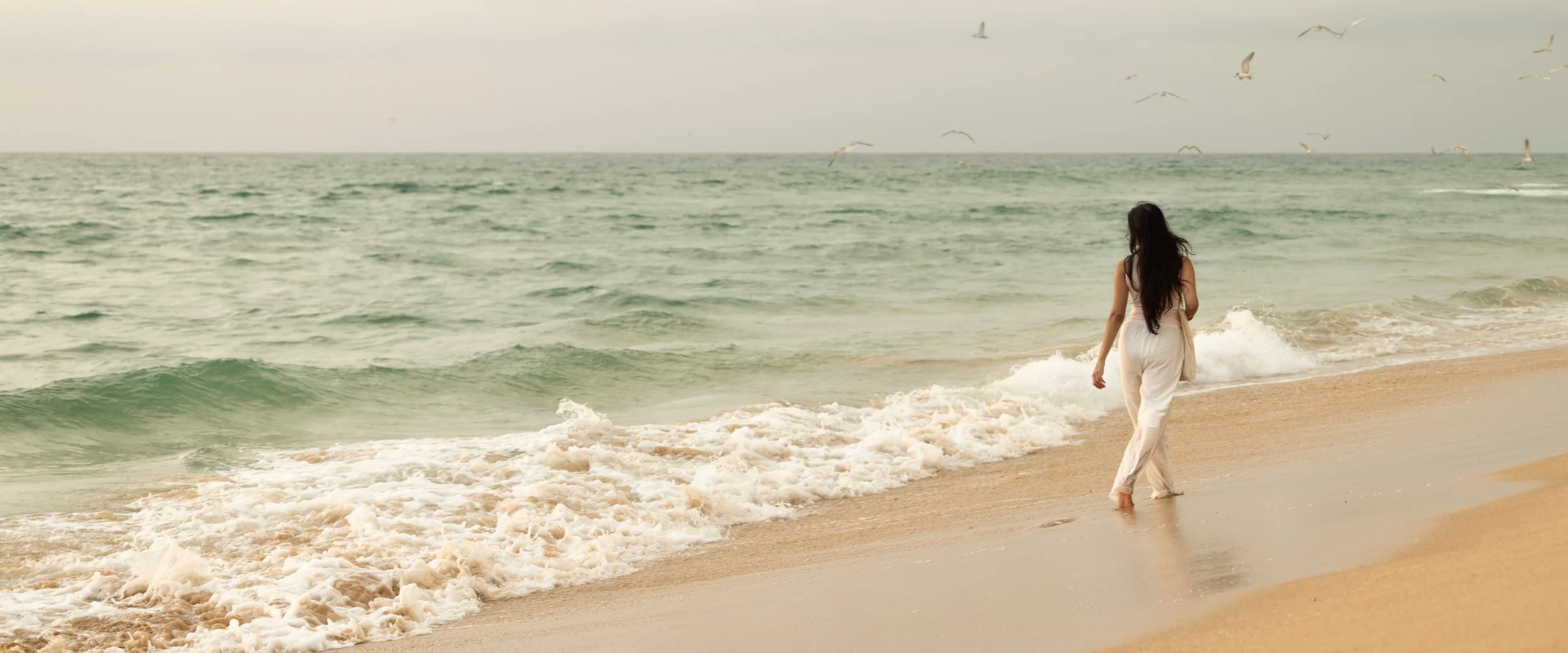
Nine rooms, all facing the ocean, on the secluded Maravanthe coast in Karnataka. The beach is steps away. The scale means the shoreline feels private. There is no crowd between the room and the water.
The Postcard in the Durrung Tea Estate
Twelve rooms set within 1,400 acres of working tea plantations. Each room comes with a private patio overlooking the gardens. The estate's size means a couple can walk for an hour and meet no one but plantation workers going about their day.
The Postcard Dewa, Thimphu
Thirteen rooms and two suites in the Khasadrapchu valley, with views of dramatic mountain vistas and the Wang Chhu river. The valley setting and the limited number of rooms create a stillness that a larger property in the same location could not sustain.
The Postcard in the Himalayan Willows
Each room includes a sun parlour with floor to ceiling windows onto the Stok Ridge. The light at this altitude changes constantly, and the sun parlour is designed for exactly that: sitting in warmth, watching the mountains, doing nothing in particular.
In each case, the setting provides what a staged romantic gesture tries to replicate. The difference is that the setting is always there. It does not arrive on a tray at a scheduled hour.
HOW COUPLES CAN CHOOSE AN INTIMATE STAY
Choosing the right intimate hotel for a romantic holiday comes down to a few practical questions. All the practical advice sits here.
Count the rooms. A hotel with fewer than twenty rooms will feel fundamentally different from one with a hundred. The fewer the rooms, the more likely the couple will have shared spaces largely to themselves.
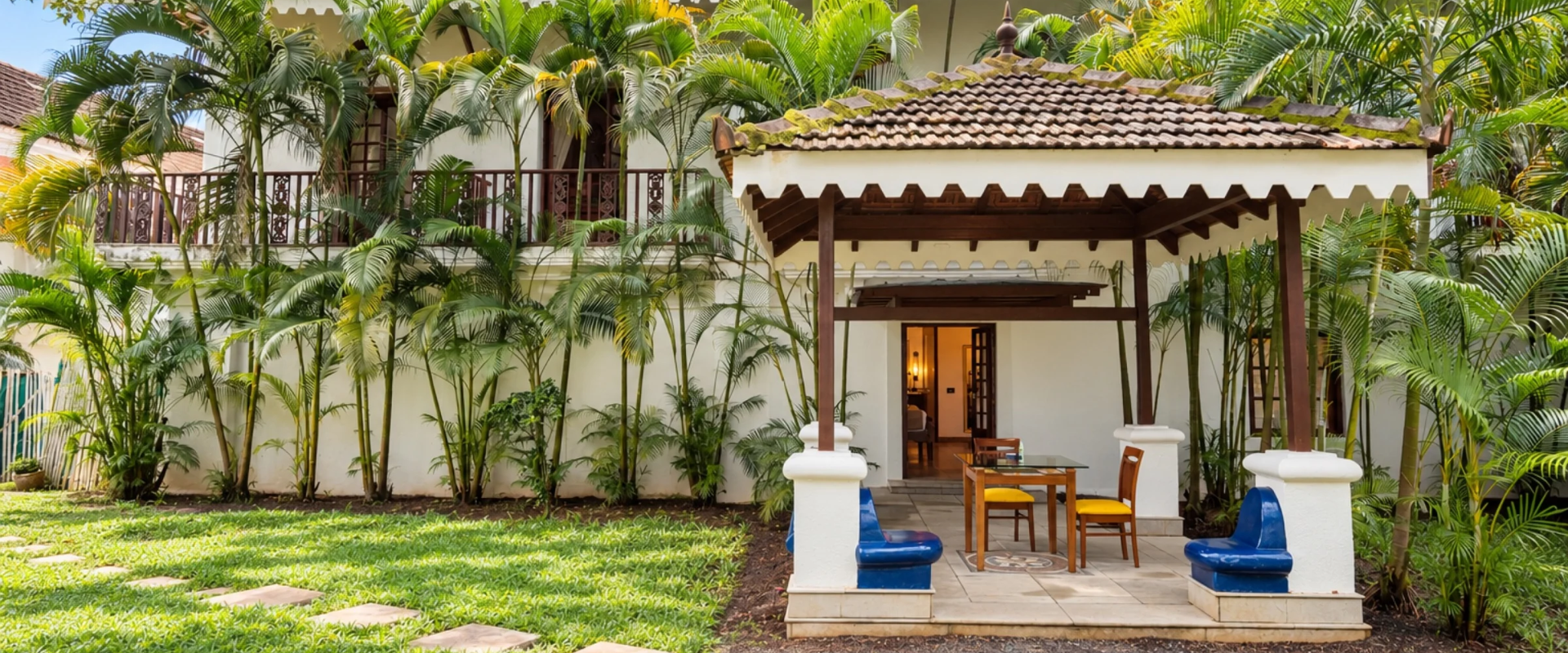
Look for private outdoor space. A balcony, a patio, or a sit out that belongs to the room, not to the corridor, changes how much time a couple spends in their own space. It also means morning tea or an evening drink does not require leaving the room.
Ask how flexible meals and check in are. Rigid meal times and fixed check in hours impose a schedule on a holiday that is supposed to have none. Properties that offer anytime breakfast and flexible arrival give the couple control over their own day. For couples planning a wellness break together, flexibility in dining and daily rhythm matters just as much.
Choose a setting both people want. Sea, tea country, river valley, or mountains: the landscape shapes the mood of the entire stay. If one person wants the ocean and the other wants altitude, that conversation is worth having before booking.
Tell the hotel about any occasion quietly in advance rather than asking for a show. A good intimate hotel will acknowledge a birthday or anniversary with warmth and discretion. The couple does not need to choreograph the moment. A quiet word at booking is enough.
Romantic travel does not need to be loud to be meaningful. What it needs is the right scale, the right setting, and the freedom to let the holiday unfold. The Postcard Hotel is built around that idea: few rooms, strong places, and service that follows the guest rather than a script.
Stay at The Postcard on the Arabian Sea, The Postcard in the Durrung Tea Estate, The Postcard Dewa or The Postcard in the Himalayan Willows, explore The Postcard Hotel, or book your escape.